
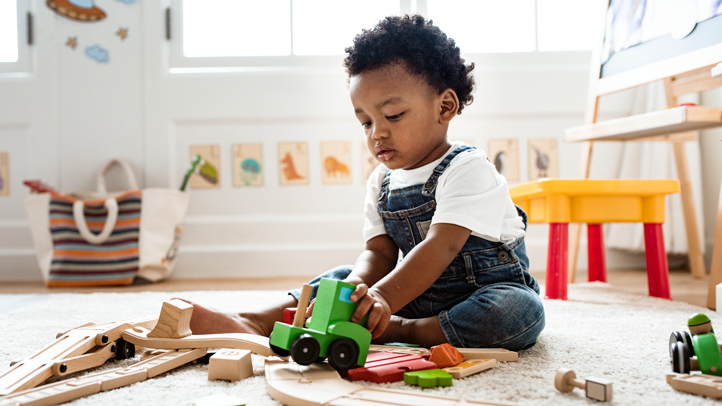
Benefits of Self-Play For Children
How can you encourage your toddler or preschooler to play independently? The answer often isn’t as simple as handing them some toys. Young children tend to need a little more structure to help them get started in learning this skill. But encouraging independence and autonomy during playtime doesn’t have to be complicated, either. Learn why independent play is so important for your child’s development and expert-backed strategies to get them started.
Teaches Independence and Fun
Letting children have play time alone fosters a sense of independence. They can choose their toys and how they want to play with them. However, this does not mean no supervision for parents. Children, even in their independent play time, should be constantly supervised by guardians to ensure safety.
Builds Confidence
Playing on their own helps children solve problems by themselves, which builds their confidence. This also allows them to build trust in themselves. If they seem stuck somewhere, they will ask questions or seek help.
Boosts Creativity and Self-Expression
Solo play allows children to use their imagination freely. Whether it is a coloring activity or building blocks, they can truly explore their creative side by making new designs, stories, and ideas on their own.
Encourages Calm and Focus
Many parents tend to have a toy corner for children where they can freely play and make a mess. Similarly, in preschools, designated play corners provide a peaceful environment for children to engage in solo activities. This is where they can relax, sit with their toys, and explore at their own pace.
Improves Problem-Solving Skills
When children play by themselves, they learn how to solve problems and make decisions on their own. They are not seeking someone’s help all the time. This helps them make quick decisions in real life, choosing clothes to wear or grabbing a spoon when it’s time to eat.
How To Encourage Self-Play in Children at Home
At times, it may seem like a task to get children to play on their own, but certain things can help:
- Set up a play area in homes. You can also randomly place games like Lego blocks or race tracks to get started anywhere.
- If your child feels uncomfortable with the idea of separating from you, make sure you are around them while they play. Take this time to enjoy a cup of coffee or your favorite TV serial while staying around.
- Giving the child too many options can be overwhelming. Take out a few toys at a time.
- Limit your child’s screen time so they can engage in hands-on activities. Lead by example by putting your phone away.
- Independent play can be hard, but know that it is not impossible. Stay patient with your child while they navigate playing on their own.
How Can Preschools Encourage Self-Play in Children
Preschools are a great start for children when it comes to developing independence through self-play. They have various corners designed for reading, a building block station, art supplies, and sensory bins to engage in their activity of interest without constant adult guidance.