
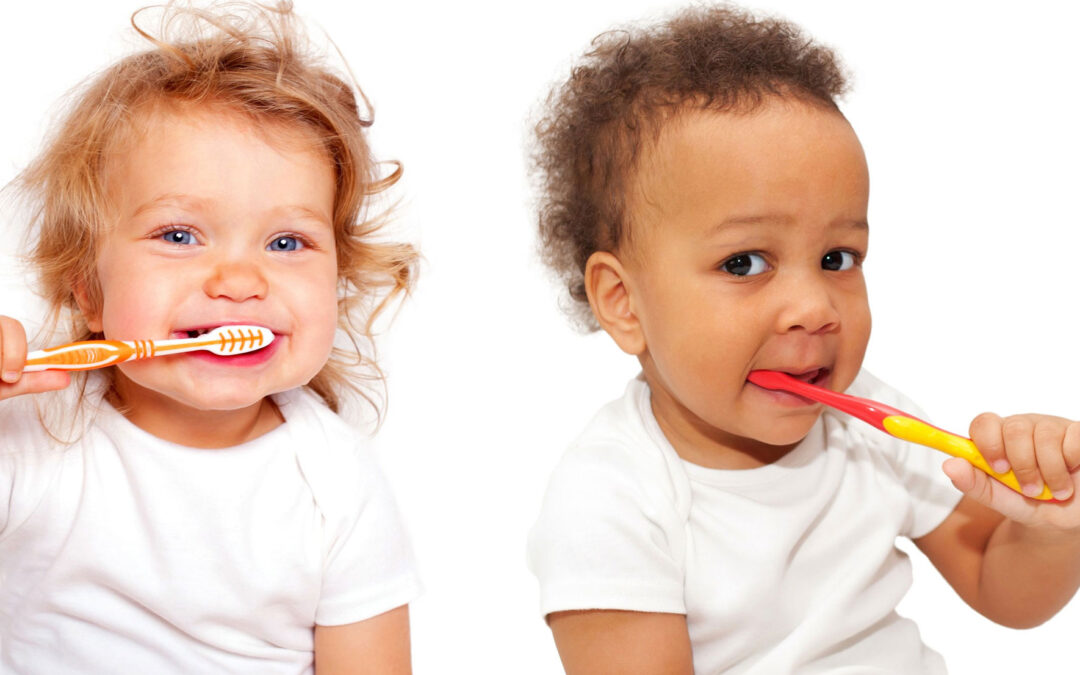
March is Children’s Dental Health Month, a time to focus on simple habits that help children build healthy smiles for life. Good oral care supports not only healthy teeth, but also overall health as children grow.
Why Baby Teeth Matter
Baby teeth help children speak and chew properly while holding space for adult teeth. Caring for them early can help prevent dental problems later.
Tips for Healthy Smiles
Parents and caregivers can support children’s dental health by following these tips:
-
Clean a baby’s gums with a damp washcloth.
-
Brush new teeth with a soft, child-sized toothbrush and fluoridated toothpaste.
-
By age 3, use a pea-sized amount of toothpaste and encourage children to spit it out.
-
Begin flossing once the teeth touch.
-
Help children brush twice a day for two minutes until they can do it on their own.
-
Avoid bottles at bedtime and limit sugary drinks and sticky candy.
-
Have children wear a mouth guard during sports.
Parents, Did You Know?
Early childhood tooth decay has become the most common chronic childhood disease, impacting more children than asthma. According to the ADA, more than 40% of children have tooth decay by the time they reach Kindergarten. Additionally, kids who suffer from poor oral health are three times more likely to miss school as a result of dental pain.
The State of Pennsylvania has tried to tackle this oral health epidemic by requiring each child to receive a dental examination before enrolling in school, However, without regular six-month check-ups and establishing healthy oral health habits at an early age, small cavities can lead to much larger problems in little mouths.
Tips for Maintaining Your Child’s Oral Health
Our doctors take pride in serving patients in such vital years of early childhood. As pediatric dentists, they’ve had additional training beyond dental school to work specifically with babies and children in monitoring early oral development. We recommend the following oral health tips to start your little ones on their journey to a lifetime of healthy smiles.
- Schedule routine check-ups. If it’s been more than six months since your child has seen a dentist, schedule an appointment as soon as possible.
- Clean your baby’s gums daily. Until those teeth come in gently wipe a damp washcloth over the gums to clear away harmful bacteria after each feeding.
- Start brushing with the first tooth. Begin brushing your baby’s teeth when you see one coming in with an infant toothbrush. Use water and a tiny bit of fluoride toothpaste (about the size of a grain of rice).
- Brush twice each day for two minutes. Children ages 2-6 should use a pea-sized amount of fluoride toothpaste. Always supervise kids younger than six years old while brushing, as they are more likely to swallow toothpaste.
- Begin flossing. Once your child’s teeth touch, you can start flossing in between them.
- Snack healthy! Fruit juice, sports drinks, fruit snacks, and sticky candies all pose serious threats to your child’s teeth. Give kids calcium-rich snacks like cheese or low-sugar yogurt. If you have to resort to candy – a chocolate bar is preferable to gummy or sticky sweets that can get lodged in between the teeth, even after brushing.
- Keep them hydrated! Avoid sugary drinks and stick to good old-fashioned water. Water helps to rinse away any sugar or particles that can lead to cavities. Many municipal water sources also contain fluoride, which is recommended by the American Dental Association and U.S. Surgeons General, among others, as an efficient way to prevent tooth decay. In fact, the theme of this year’s National Children’s Dental Health Month is celebrating 75 years of water fluoridation.
- Replace your child’s toothbrush every three to four months.
How Families Can Celebrate National Children’s Dental Health Month
National Children’s Dental Health Month is the perfect time to focus on your child’s oral health and make it fun. Get your little ones excited about brushing, flossing, and visiting the dentist this month with these fun ideas:
Create a Brushing Chart
Make the routine of cleaning teeth into a fun activity by creating a colorful brushing chart. Reward your child with stickers or small incentives every time they brush their teeth for the full two minutes. This can be a great way to help them stay on track and make brushing feel like a game.
Have Fun With Music
Turn brushing time into a sing-along or game! There are many catchy songs out there that teach kids the importance of brushing and flossing. Alternatively, you can use a timer and challenge your kids to “race” to brush every part of their mouth thoroughly before the timer goes off.
Kid-Friendly Flossing
For better flossing habits, you can teach your kids how to floss using fun colors and characters. There are even kid-friendly flossers that make it easier and more fun to use. Turn flossing into a bonding activity where you both floss together, making sure they feel confident with the process.
Healthy Snacks
This month, encourage your children to enjoy snacks that are good for their teeth. Foods like apples, carrots, and cheese are not only healthy but help clean teeth naturally. You can make tooth-friendly snacks together, such as apple slices with peanut butter or cheese sticks, and use these moments to discuss the benefits of these snacks for their teeth. Get creative with the idea of a tooth-friendly snack challenge by seeing who can come up with the most fun, healthy snack ideas for their teeth and letting them choose which one to prepare.
Create a Smile Book
Make a “Smile Book” where your child can decorate pages with photos, drawings, or stickers celebrating their beautiful smiles. As they learn about the importance of taking care of their teeth, they can add fun reminders or tips to keep their smiles healthy. This interactive craft can be a fun keepsake as they grow.
Visit the Dentist
What better way to celebrate National Children’s Dental Health Month than with a visit to the dentist? Make it an exciting experience by choosing a pediatric dentist who is great with kids and offers a friendly, fun environment. You can tell your child that they’re going to see their “Tooth Superheroes” and emphasize how important it is to keep their teeth healthy. Plus, many pediatric dentists have treasure chests or small rewards to make the visit even more fun!
Read Books
Reading is a wonderful way to teach kids about oral health. Plenty of fun books focus on tooth brushing, the dentist, and maintaining healthy teeth. Reading together can help reinforce the lessons and create a calming atmosphere before bedtime brushing. You could have a family reading night with books on teeth and gums, helping to normalize healthy habits for everyone.
Use Positive Reinforcement
Positive reinforcement can work wonders when encouraging good habits. Celebrate your child’s effort throughout the month by offering small rewards or praise every time they practice good oral hygiene. Whether it’s brushing, flossing, or avoiding sugary snacks, a little recognition can go a long way.
Children’s Dental Health Month is a great time to review routines, schedule dental visits, and reinforce healthy habits that support lifelong oral health.