

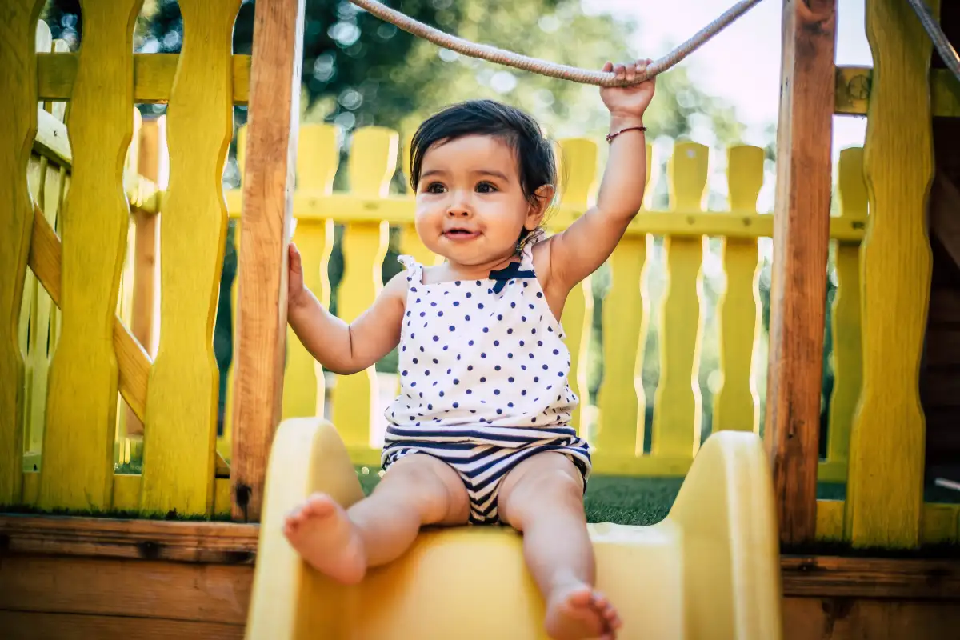
Children are naturally full of energy. From the moment they can crawl, climb, or run, they are eager to explore the world through movement. While it might sometimes feel like they never stop, all that activity is playing an essential role in their growth and development.
Physical activity in the early years lays the groundwork for a lifetime of health and well being. It doesn’t need to be complicated or structured; for children, play is movement, and movement is learning. Whether they are dancing to a song or playing in the garden, every bit of activity is helping them in ways we often don’t see at first glance.
How Much Physical Activity Do Children Need?
Children under five shouldn’t be kept still for long periods (apart from sleeping). Too much time in front of screens, strapped in buggies, or sitting still isn’t good for their health or development.
Short bursts of movement spread throughout the day are far more beneficial.
Babies (under 1 year)
From birth, babies benefit from being active throughout the day in gentle, age-appropriate ways. If they are not yet crawling, activities such as reaching, grasping, kicking, and rolling are important.
Supervised floor play helps them build strength in their muscles and joints. Once babies are able to move around, they should be encouraged to explore freely in safe, supervised environments.
Toddlers (1 to 2 years)
Toddlers should be physically active for at least three hours a day, spread throughout the day. This can include light movement (like walking, climbing, or playing on the floor) as well as more energetic activity (such as running, jumping, or chasing games). Outdoor play is especially valuable, giving them the space to practice new skills and burn off energy.
Pre-schoolers (3 to 4 years)
Pre-schoolers also need around three hours of activity daily, with at least one hour of this at a more energetic level.
Activities like cycling, ball games, climbing, or dancing are great options. A balance of indoor and outdoor play helps them develop strength, coordination, and stamina.
For more information, please take a look at the NHS physical activity guidelines.
The Benefits of Physical Activity for Children
1. Physical Health
Physical activity gives children the chance to build strong, healthy bodies.
When they climb, crawl, or run, they are strengthening muscles and bones that are still developing at a rapid pace. These movements also improve balance and coordination, helping children master everyday skills such as walking up stairs, using cutlery, or dressing themselves.
Active play supports healthy weight and cardiovascular health, even at a very young age. Running, hopping, or skipping raises the heart rate, while cycling or climbing builds stamina. Over time, these activities increase energy levels, making it easier for children to take part in both physical and quiet play throughout the day.
Importantly, these physical foundations are linked to independence. The stronger and more coordinated a child feels, the more confident they are in exploring their world, whether that’s clambering up the slide at the playground or learning to carry their own bag into nursery.
2. Mental Health and Emotional Wellbeing
Physical activity is a natural mood booster. When children move, their bodies release chemicals that help them feel calmer and happier. This is one of the reasons a run around outside or a jump on the trampoline can quickly change a child’s mood.
Movement also offers children a safe outlet for expressing emotions. Frustration can be stamped out with feet, excitement can be channeled into dancing, and worry can often melt away after a few minutes of energetic play. This physical release helps children regulate their emotions and develop resilience.
Beyond managing emotions, active play brings joy and happiness. Laughter in a game of chase, pride in climbing to the top of a frame, or contentment from swinging in the park all add to a child’s sense of wellbeing.
These moments support mental health just as much as physical health, reminding children that movement is something to be enjoyed, not endured.
3. Concentration and Brain Development
Physical activity also fuels the brain! Increased blood flow and oxygen during active play can boost memory, problem-solving, and overall brain development. This is especially important in the early years, when neural connections are being formed at an incredible rate.
Movement games often involve listening, planning, and following instructions, which strengthens attention and self-control. A game of “What’s the time, Mr. Wolf?” or navigating a simple obstacle course requires children to focus, remember rules, and adapt quickly. These are the very skills that support learning later in life.
Active breaks also improve concentration. After a burst of running or climbing, many children return to quieter activities with renewed focus, making it easier for them to settle into story time, arts and crafts, or group learning.
4. Better Sleep
A good night’s sleep is just as important for children’s development as food and play, and regular physical activity is one of the best ways to support it. Children who are active during the day tend to sleep significantly better and feel more alert during the day.
When children use up their energy through play, their bodies are better prepared for the natural rhythms of rest and recovery. Outdoor play in particular, with fresh air and natural light, helps regulate sleep patterns. This means children are more likely to drift off peacefully at bedtime and wake up refreshed.
Better sleep supports growth, emotional balance, and learning. A well-rested child is generally more patient, more focused, and more ready to take on the day’s challenges.
5. Social Development
So much of children’s physical activity happens in the company of others, making it an important space for social learning. Games that involve running, chasing, or passing a ball naturally introduce concepts like turn-taking, sharing, and cooperation.
Physical play also teaches children how to manage conflict. Disagreements about rules, waiting for a turn, or coping with not winning provide valuable lessons in negotiation and resilience. With gentle guidance, these experiences help children develop empathy and problem-solving skills.
Active play is also where many early friendships are formed. Dancing together, playing chase, or building a den fosters connection and a sense of belonging. These positive social experiences build confidence and help children feel secure, both in nursery and beyond.