

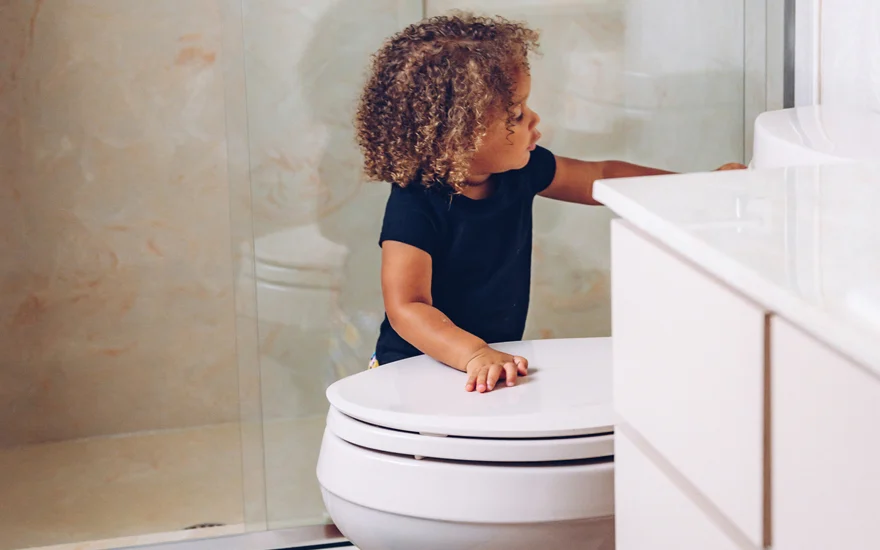
Potty training is a significant milestone in every child’s development. It’s an exciting and challenging step towards independence. However, for many parents, it can also be a source of stress and anxiety. The good news? With the right strategies, patience, and a positive mindset, Potty training can be a smooth, positive experience for both you and your child.
In this comprehensive guide, we’ll share ten effective toilet training tips that will help your little one transition from nappies to the Potty with confidence.
1. Understanding the Right Time to Start Potty Training
Recognizing Your Child’s Readiness
Potty training should begin when your child shows signs of readiness rather than being based on a specific age. While many children start between 18 months and three years old, every child is different. The key to a smooth toilet training experience lies in recognizing these signs of readiness. Look out for physical, cognitive, and emotional cues that indicate your child is ready to start using the toilet.
For instance, does your child stay dry for longer periods, particularly after naps or overnight? Do they show discomfort when their nappy is wet or soiled? Are they able to follow simple instructions, such as “sit down” or “pull up your pants”? If your child is expressing an interest in the toilet or imitating family members, these are positive signs that they might be ready for toilet training.
Timing Matters: Why Starting Too Early Can Backfire
While it might be tempting to start toilet training as early as possible, beginning the process before your child is ready can lead to frustration for both you and your child. If your child isn’t developmentally ready, they might resist or become anxious about the process, which can prolong the training period and create negative associations with the toilet.
Starting too early can also result in frequent accidents, which can be discouraging for your child. It’s important to remember that toilet training is not a race. Allow your child the time they need to develop the physical control and interest necessary for a successful transition from nappies to the toilet.
2. Create a Consistent Toilet Training Routine
The Power of Routine
Consistency is key when it comes to Potty training. Establishing a regular daily routine helps your child understand what is expected of them and creates a sense of security. Children thrive on routine, and having a consistent schedule for potty breaks can make the toilet training process much easier.
Begin by taking your child to the toilet at regular intervals throughout the day, such as first thing in the morning, after meals, and before bedtime. Over time, your child will start to associate these times with using the toilet, which will help them develop a habit.
Building a Routine That Works for Your Family
While consistency is important, it’s also essential to create a routine that fits into your family’s lifestyle. For example, if weekdays are busy with school runs and work commitments, you might find that weekends are a better time for more frequent toilet training sessions.
Don’t feel pressured to stick to an exact schedule if it doesn’t work for your family. The goal is to establish a routine that you can maintain consistently, even on busier days. Flexibility within a consistent framework is key to keeping both you and your child on track without added stress.
3. Use Positive Reinforcement to Encourage success
Celebrating Small Wins
Positive reinforcement is one of the most effective tools in Potty training. Children respond well to encouragement and praise, and celebrating small successes can motivate them to continue trying. Each time your child uses the toilet successfully, offer them praise or a small reward, such as a sticker or an extra story at bedtime.
It’s important to make the reward immediate so that your child makes the connection between using the toilet and receiving positive feedback. Over time, this will help to reinforce the behavior and build their confidence in using the toilet.
4. Invest in the Right Potty Training Equipment
Choosing the Best Potty for Your Child
Investing in the right potty training equipment can make a significant difference in the success of the training process. There are many different types of potty chairs and seat reducers available, so it’s important to choose one that suits your child’s needs.
A standalone potty chair is a popular choice for many parents, especially for younger children who might find a full-sized toilet intimidating. Look for a potty that is sturdy, comfortable, and easy for your child to use independently. Some potties come with fun designs or characters, which can make them more appealing to your child.
Alternatively, you might opt for a seat reducer that fits onto your regular toilet. This can be a good option for older children or those who are more comfortable with the idea of using the “big” toilet. Ensure that the seat reducer is secure and comfortable, and consider adding a step stool to help your child reach the toilet and sit down safely.
Helpful Accessories for Easier Toilet Training
Potty training books and toys can be helpful tools. Many books are specifically designed to help children understand the toilet training process, and reading them together can make the concept more relatable. Not sure where to start? Check out this list of the ten best potty training books for toddlers.
Lastly, consider using training pants or pull-up nappies during the transition period. These products allow your child to feel more like they’re wearing “big kid” underwear while still providing some protection against accidents. As your child becomes more confident in using the toilet, you can gradually transition them to regular underwear.
5. Leveraging Nursery or Daycare to Support Toilet Training
The Benefits of Starting Nursery During Toilet Training
Enrolling your child in a nursery or preschool can be a game-changer for toilet training. Nurseries typically follow established routines for toilet breaks, reinforcing the habits you’re cultivating at home. The structured environment, coupled with the influence of peers, provides additional motivation and social encouragement as your child observes and mimics others using the toilet.
Nurseries that actively support and monitor toilet training can greatly enhance a child’s readiness for school. This collaborative approach between home and nursery ensures that toilet training becomes a smooth and successful transition for your child.
6. Be Patient and Expect Accidents
Normalizing Accidents
Accidents are a normal part of the toilet training process, and it’s important to approach them with patience and understanding. Your child is learning a new skill, and just like with any new skill, there will be a learning curve. It’s crucial to remember that accidents are not failures but rather opportunities for learning and growth.
Normalizing accidents can help reduce any anxiety or stress your child might feel about toilet training. When an accident happens, reassure your child that it’s okay and that everyone makes mistakes when learning something new. Try to remain calm and avoid showing frustration or disappointment. Instead, gently remind your child to let you know when they need to go to the toilet next time. Over time, your child will begin to recognize the signals their body is sending and will have fewer accidents.
Remember, toilet training is a process, and every child progresses at their own pace. Some children might take to it quickly, while others may need more time and patience. The key is to stay supportive and encouraging throughout the journey.
7. Make Toilet Training Fun and Engaging
Creative Ways to Engage Your Child
Making toilet training fun and engaging can significantly increase your child’s willingness to participate. Turning the process into a game or adding elements of play can help alleviate any anxiety your child might feel about using the toilet.
One creative approach is to use a reward chart. Each time your child successfully uses the toilet, they can place a sticker on their chart. After a certain number of stickers, they might earn a small reward, such as a special outing or a new toy. This not only makes toilet training more enjoyable but also provides a tangible way for your child to see their progress.
The goal is to make toilet training a positive and enjoyable experience. By incorporating fun elements and games, you can help your child develop a positive attitude towards using the toilet.
8. Teach Proper Hygiene Early
Importance of Early Hygiene Education
Teaching proper hygiene is an essential part of toilet training. From the very beginning, it’s important to instill good habits in your child, such as wiping correctly, washing their hands with soap, and flushing the toilet after use. These habits not only promote cleanliness but also help to prevent the spread of germs.
Fun Ways to Encourage Good Hygiene Practices
Encouraging good hygiene practices doesn’t have to be a chore. You can make it fun by introducing special soaps in fun shapes or scents that your child enjoys. Let your child choose their own hand towel, and consider using a step stool to help them reach the sink easily.
Another idea is to create a handwashing chart where your child can earn stickers for washing their hands after using the toilet. As with toilet training, positive reinforcement is key. Praise your child each time they wash their hands properly, and over time, it will become a natural part of their routine.
You can also incorporate hygiene education into your child’s favorite stories or playtime activities. For example, if your child enjoys playing with dolls or action figures, you can create scenarios where the characters need to wash their hands after using the toilet. This can help reinforce the importance of hygiene in a fun and relatable way.
9. Address Common Toilet Training Challenges
Dealing with Resistance and Regression
It’s common for children to experience resistance or regression during toilet training. Your child might refuse to use the potty, or they might start having accidents after a period of success. These challenges can be frustrating, but they are a normal part of the process.
If your child is resisting toilet training, it’s important to stay calm and patient. Try to understand what might be causing the resistance. Are they scared of the toilet? Do they feel pressured? Are there changes in their environment that might be causing stress?
To help ease resistance, consider taking a short break from toilet training and revisiting it in a few weeks. Sometimes, giving your child a little more time can make a big difference. When you do resume training, approach it with a positive attitude and focus on making the experience as enjoyable as possible.
Regression, where a child who has been successfully using the toilet starts having accidents again, can also be challenging. Regression is often triggered by stress or changes in routine. If this happens, try to identify any recent changes in your child’s life and address them if possible.
During periods of regression, continue to offer support and encouragement. Reassure your child that it’s okay and that they will get back on track with time and practice.
10. Know When to Seek Professional Help
Recognizing When Toilet Training Needs Extra Support
While most children will eventually master toilet training with time and patience, there are instances where extra support might be needed. If your child is showing extreme resistance, experiencing significant anxiety, or has been struggling with toilet training for an extended period without progress, it might be time to seek help from a professional.
Pediatricians can provide valuable guidance and support for children who are having difficulty with toilet training. They can help identify any underlying issues that might be contributing to the problem and offer strategies to address them.