
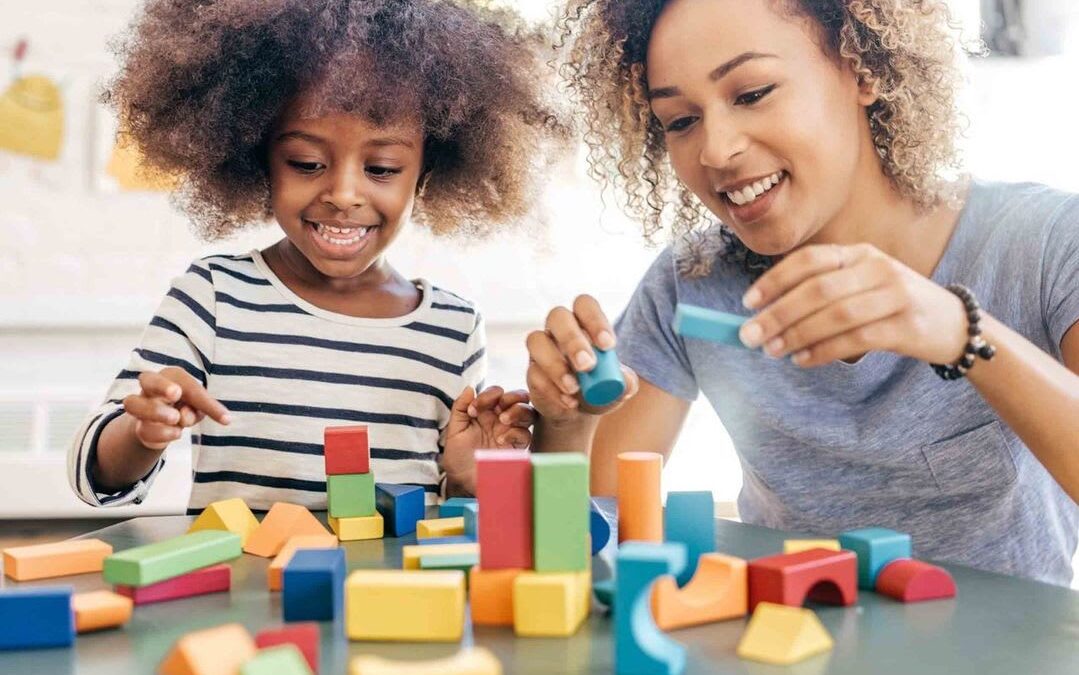
If you’ve spent any time wandering the toy aisle, scrolling parenting blogs, or chatting with other caregivers, you’ve probably noticed a magical little word popping up everywhere: sensory. It’s like the celebrity of the child-development world—suddenly famous, endlessly talked about, and showing up on every product label as if it has its own entourage. Unlike most trends, however, the hype surrounding this one is actually justified.
“Sensory” is more than just a fancy buzzword. The rise in popularity of sensory products is directly related to the rising need. However, this increase in demand is not really a bad thing. It actually is an indicator that society is growing in its knowledge of how the body works and simply wants to feel better.
This new knowledge is even more promising when it comes to child development. A child’s sensory system plays a huge role in all facets of development, including school functioning, self-care, play, language development, potty training, and even emotional regulation. Sensory processing has become more of a focus in recent years with the rising diagnoses of autism and ADHD, but it is important for typical development as well.
Why is sensory play important?
Most people can name the five most well-known senses: sight, smell, touch, hearing, and taste. There are three additional senses many people are less familiar with. These include:
- Proprioception – the awareness of one’s body in space
- Vestibular – movement and balance
- Interoception – perception and interpretation of internal body sensations like hunger, illness, bathroom needs, etc.
For children, the most effective way to develop their sensory systems is through play. After all, the main objective of childhood is play. But what are the benefits of connecting play activities to sensory? Let’s look at a few of the many benefits of sensory play:
- It helps with language development.
- It helps develop fine motor skills needed for everyday tasks like getting dressed, tying shoes, and doing schoolwork.
- It helps with gross motor skills like sitting, crawling, walking, and running.
- It helps with development of cognitive skills like problem-solving.
- It provides a calming effect for times of overwhelm or overstimulation.
- It has a stimulating effect for times when you are feeling sluggish.
- It can help with social interaction when activities are done with siblings, friends, or even parents.
Now let’s explore some different sensory toys to help your little ones grow, learn, and regulate:
This set of tools is perfect for use with your sensory bins (think dry beans, dry noodles, dry rice, water beads, cotton balls, etc), or it can simply be used in the great outdoors for scooping dirt in the garden or mud in a puddle. Not only will it help your little explorers to engage their sense of touch, but it can also build hand strength and fine motor skills.
Just like the sensory scoops mentioned earlier, this tool set is great for letting kiddos explore their environment through the tactile sense. This set targets different areas, however, like water play, the fascinating world of bubbles, and getting artsy with sidewalk chalk. These different toys also provide different fine motor movements, encouraging kids to twist, pull, and squeeze, which will further develop those little hands for tasks like handwriting.
While many sensory toys are about exploration, these cool down cubes focus on calming and emotional regulation. By redirecting feelings of overwhelm to concrete visual and tactile activities, these cubes can come in clutch for those moments of overstimulation. They even engage the proprioceptive sense via the muscle work of squeezing, which can provide just enough calming input to stop an approaching meltdown in its tracks.
This set comes with four clear sensory tubes that offer limitless options for sensory input. These sensory tubes allow for a completely customizable experience where you and your child can choose exactly the preferred sensory stimulus by placing different items inside. For example, you can create a calming visual sensory experience with colored water and oil, or you can go the auditory route using objects that will create different sounds when kiddos shake or roll the tubes. They also come with the option of solid or vented caps so that you can stimulate the sense of smell! For older children, you can even create games like seek-and-find with different materials inside the tubes.
Houston, we no longer have a problem! With the Soothing Space Sensory Fidget Set, like the calming cubes discussed earlier, children can redirect sensory or emotional overload to the grounding effects of sensory fidgets. Children can explore these fidgets by shaking and rattling, spinning and twisting, or evening turning off the lights and letting the glow-in-the-dark feature help to filter out excessive stimulation and provide a calming retreat.
Whether your child is autistic or neurotypical, you will likely find that sensory toys play a major role in learning and development as well as sensory and emotional regulation. As we continue discovering new ways to help children learn and grow, it’s safe to assume that sensory toys are here to stay!