
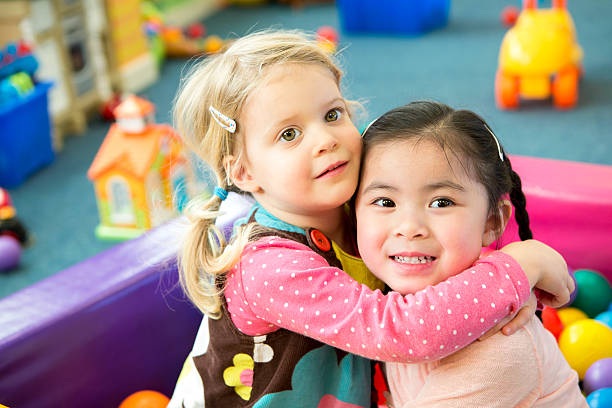
As a caregiver, you may notice children sometimes struggle with sharing a favorite toy or waiting for their turn during play. Sharing and turn-taking are important, but they can be challenging for young children to learn. With your guidance and a bit of practice at home, your child can develop these essential social skills that will help them in school, at playdates, and wherever they go.
Why Sharing and Turn-Taking Matter
Sharing and turn-taking help children build positive relationships and learn how to cooperate with others. “Practicing these skills early supports children in making friends and succeeding in group settings.”
Children who learn to share and take turns are building the foundation for friendship, cooperation, and problem-solving. These skills help kids participate in group activities, work together, and resolve conflicts. Early practice at home sets the stage for easier interactions in public spaces and learning settings.
Tips for Helping Your Child Learn to Share and Take Turns
- Practice at Home: Start small by introducing opportunities for your child to share or take turns with siblings, parents, or friends. You might take turns choosing a bedtime story or playing games together.
- Identify What Needs to Be Shared—and What Doesn’t: It’s important to recognize that not every item needs sharing.
“It can also be helpful to understand that not everything has to be shared. Putting away special items (a favorite fire truck or stuffed animal) that children don’t want to share can help them feel more okay with sharing general toys and maintain the agency to protect what feels really special or personal.” - Set Boundaries for Safety and Comfort: Some items, like toothbrushes or hairbrushes, are meant for personal use and shouldn’t be shared. “Children can learn quickly that it makes sense to share blocks but everyone in the family has their own toothbrush.” Setting these boundaries helps children feel safe and teaches them good hygiene.
- Model the Language of Sharing: Encourage your child to use phrases like, “Can I have a turn when you’re done?” and practice responding politely when someone asks for a turn.
- Support Waiting and Turn-Taking: Waiting is tough for young children, but you can make it easier. Try counting together or using a visual timer to help your child understand when it will be their turn.
When Sharing Feels Difficult
It’s normal for young children to struggle with sharing, especially with treasured items. If your child is anxious or upset, acknowledge their feelings and help them find words to express themselves. Remind them that it’s okay to set boundaries and protect certain special things—and that adults can help make sharing feel safe.
Practice Makes Progress
With practice, patience, and your support, your child can strengthen their sharing and turn-taking skills. These lessons will support them as they build friendships and learn to work with others. Practicing at home can help children with sharing and turn-taking in learning settings and public spaces. Your guidance is key. As you support your child, know you’re helping them build skills that last a lifetime.