
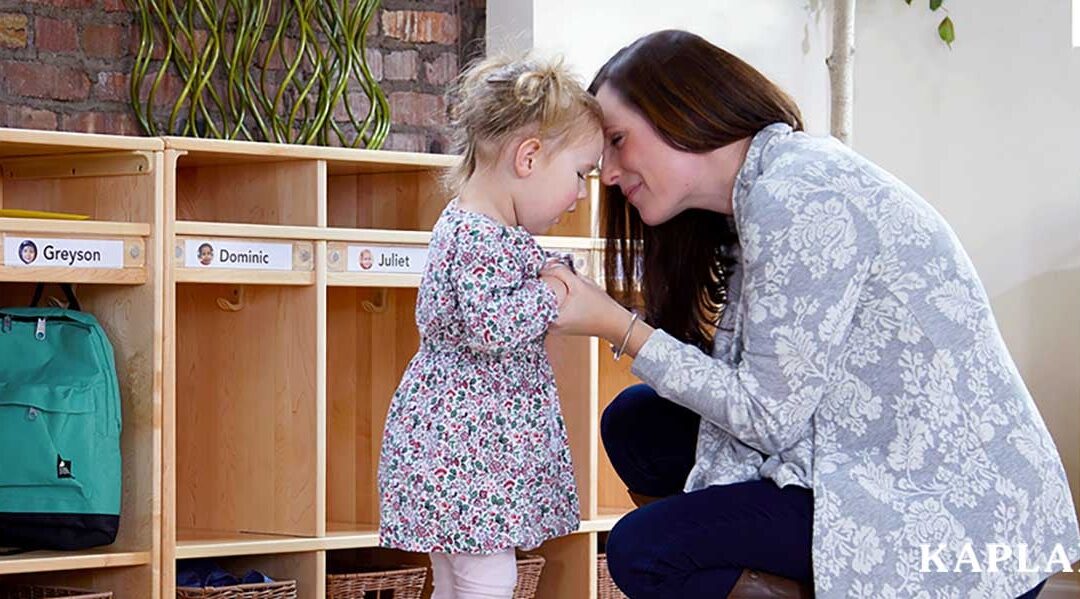
Navigating the transition to school can be an unsettling time for both children and parents alike.
There is the element of the unknown as well as the change in routine, environment, and new people to make relationships with and build attachments to. This includes you as parents too!
At Rising Stride, we work closely with our families and children in preparing for that next step and helping children to become as “Ready for School” as possible. Throughout their time within the center, we will support your child in developing a wide range of skills to help prepare them for a lifelong love of learning. This is through practical, first-hand opportunities and experiences, carefully tailored to meet the individual needs of each and every child.
There are a lot of myths about what a child needs to be able to do before moving on to school. This includes being able to write, especially their name, count to 100, know all their phonics, and be able to name all shapes and colors (to name but a few).
In actual fact, some of the skills needed include pro-social skills such as:
- Sharing
- Cooperating
- Listening
- Following directions
- Respecting personal space
- Making eye contact
- Using manners
Not every child will be able to achieve all of these, and it is important to remember that every child is individual and unique. At Rising Stride, we enable children to flourish to their own potential in a way that works for them.
Opportunities and experiences to promote these pro social skills will include:
- Working in smaller and larger groups
- Turn-taking with games
- Following instructions on what to expect when or setting the tables for lunch
- Having group discussions where the children are allowing others to speak and listening to their point of view
- Day-to-day play where sharing, negotiating, planning, and idea sharing take place
- Children are encouraged to express their needs and preferences
All these good social skills may reduce stress in children when experiencing change, as they feel better equipped to deal with situations that are new and unknown to them. Children supported with their emotional well-being and self-regulation are prepared for transitions and show resilience, confidence, and have a healthy self-esteem to take on new challenges.
Let’s not forget that we are also preparing you as parents for this transition. At Rising Stride, you will receive lots of updates from your child’s teachers and have information shared with you on a regular basis. The format for this when entering into school is vastly different and it is good to set those expectations early on.
- Children are left at the classroom door and parents will rarely see the classroom environment.
- Teachers will be able to have a brief word at the end of the day but not necessarily at the beginning of the day as they are settling the class as they arrive.
- Lots of consent will be needed for all of the differing activities such as local walks or cooking, not something you will be used to.
If you’re going through the school transition for the first time, this might feel a little (or a lot) daunting, but children are more resilient than we give them credit for. As a parent visiting the school before starting, try to consider asking things like:
- How does the teacher or school as a whole communicate with parents
- How can you order the school uniform
- What do school meals look like and how are they ordered
- How often are school events held and can parents attend
- What is the PTA, Parent Teacher Association (and ask yourself if that’s of interest to you?)
- What are school governors and their role in the school
- How do you contact the teacher when you have questions
Provide a Comfort Item
Many preschools allow children to bring a small, familiar object to ease the transition. This could be:
- A small stuffed animal
- A family photo
- A bracelet or keychain from home
Having a comforting reminder of home can make a big difference in helping children settle in and focus.
School Visits
These are recommended and really do help a child with the transition to school. It helps to understand that the environment is different, start to understand where everything is such as toilets, the main hall, where they will have lunch, and the cloakroom. They can meet new friends as well as their teacher, and maybe even the teaching assistant.
As parents, once your child has finished a visit or the first few days of school, we tend to “pump” them for information and fire lots of questions at them. Try to avoid this if you can. Often a lot is shared over dinner, snack, or at bath time when they mention someone that they’ve played with or something someone said.
Practical preparation you as parents can support with
- Being able to open food packaging and put straws into drinks
- Getting changed into different clothes for PE
- Putting on a coat and managing the zip and other fastenings independently
- Personal care such as wiping nose, toileting and wiping themselves and washing of hands
- Looking after their belongings and being able to gather everything together, recognizing their name on labels
- Carrying a tray with food on independently
- Waiting their turn when an adult is busy with another conversation or task
- Establish a good bedtime routine to ensure the children receive enough sleep and are ready to go the following day
Final Thoughts
Starting preschool is a major step in your child’s growth and development. With consistent routines, patience, and emotional support, you can help your child adjust smoothly, feel secure in their new environment, and develop the focus and confidence needed to thrive in school.
By preparing your child in advance, supporting their independence, and reinforcing focus-building activities, you will make the transition to preschool a positive and successful experience.