
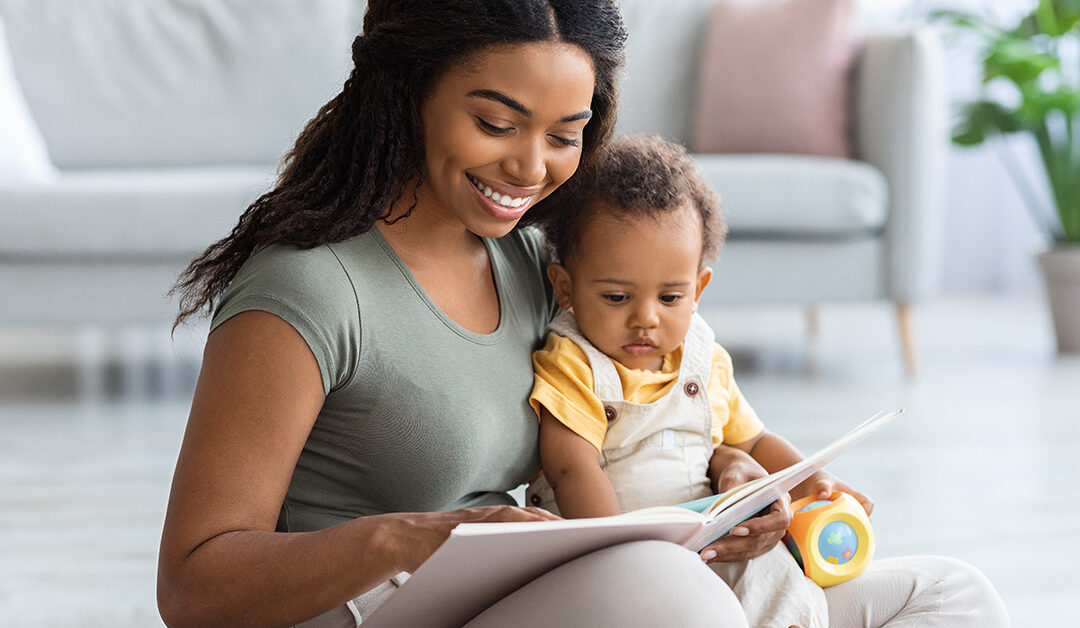
As nature bursts into bloom this spring, your baby is blossoming too! The first year is a magical time of rapid growth and discovery. This month, we’re sharing simple, research-backed ways to support your infant’s development through everyday interactions and play.
Why the First Year Matters
Your baby’s brain forms over a million neural connections every second! Each smile, coo, and grasp is building:
● Language skills (through listening and babbling)
● Motor control (reaching, rolling, sitting)
● Cognitive abilities (cause-and-effect understanding)
● Emotional bonds (trust and security)
Month-by-Month Play Guide
0–3 Months: Sensory Exploration
● Talk face-to-face: Use exaggerated expressions and pauses to encourage “conversation.”
● High-contrast visuals: Black/white mobiles or patterned books captivate newborns.
● Tummy time: Start with 1–2 minutes after diaper changes, gradually increasing.
4–6 Months: Hands-On Learning
● Offer textured toys: Crinkly fabric, soft blocks, or silicone teethers engage touch.
● Mirror play: Prop up a baby-safe mirror during tummy time.
● Cause-and-effect toys: Rattles or activity gyms teach “I can make things happen!”
7–9 Months: Movement & Problem-Solving
● Encourage crawling: Place toys just out of reach.
● Play peek-a-boo: Reinforces object permanence (things exist even when hidden).
● Simple containers: Let baby practice dropping and retrieving soft balls or cups.
10–12 Months: Imitation & Independence
● Pretend play: Hand baby a toy phone or spoon to mimic daily activities.
● Push/pull toys: Support walking practice.
● Point-and-name: “Look! A red ball. Can you touch it?”
5 Easy Ways to Boost Development Daily
1. Narrate your day: “Mommy’s washing your hands—splash, splash!”
2. Sing simple songs: Clap to the rhythm of “Pat-a-Cake” or “Itsy Bitsy Spider.”
3. Rotate toys: Keep 3–4 toys accessible at a time to maintain interest.
4. Explore outdoors: Describe clouds, leaves, or birds during walks.
5. Follow their lead: If baby stares at a ceiling fan, talk about it!
Safety Reminders
● Supervise tummy time and remove small objects (choking hazards).
● Avoid screens: Babies learn best from real-world interactions.
● Trust your instincts—you know your child best!
Developmental Milestones
Skills such as taking a first step, smiling for the first time, and waving “bye-bye” are called developmental milestones. Most children achieve these milestones by a certain age. Children reach milestones in how they play, learn, speak, behave, and move (such as crawling, walking, or jumping).
In the first year, babies learn to focus their vision, reach out, explore, and learn about the things around them. Cognitive, or brain development means the learning process of memory, language, thinking, and reasoning. Learning language is more than making sounds (babbling) or saying “ma-ma” and “da-da.” Listening, understanding, and knowing the names of people and things are all a part of language development.
During this stage, babies form bonds of love and trust with their parents and others shaping their social and emotional development. The way parents cuddle, hold, and play with their baby will set the basis for future interactions with them and others.