
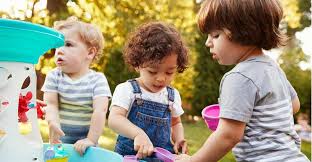
Children love to explore the colors, textures, sights and sounds of nature, and research tells us that playful learning activities that make use of natural materials contribute to children’s physical, social-emotional and cognitive development.
Nature-based environments function as a play partner that helps children to transform the perceptual world into a conceptual world, because it diversifies play, is sensory rich and it plays back. When playing in nature-based environments, children have the possibility to connect with it (nature) in an interactive way.
7 Tips for Outdoor Nature Tips
Incorporate Nature into Art Projects
The colors, shapes, and textures of nature can add interest and opportunities for creative expression to almost any art activity. Pinecones, leaves, flowers, and twigs are examples of natural materials that children enjoy exploring and using in art projects.
Emphasize Hands-On Learning
Hands-on activities like gardening, building birdhouses, or creating nature art projects engage multiple senses and promote active learning. These activities not only teach practical skills but also instill a sense of responsibility and accomplishment.
Foster Curiosity and Inquiry
Encourage children to ask questions and explore their curiosity about the natural world. Create a ‘nature observation area’ where kids can bring in items they find, such as leaves, rocks, or pinecones, and discuss their findings. This promotes critical thinking and a scientific mindset.
By thoughtfully integrating these elements, you can create a nature-inspired outdoors that not only educates but also inspires a lifelong connection with the natural world. The key is to provide varied, hands-on experiences that encourage exploration, creativity, and a deeper understanding of the environment.
Improved gross and fine motor skills
Playing outdoors improves children’s gross motor skills, such as running, jumping, and climbing. They also refine fine motor skills by picking up small objects or manipulating playground equipment.
Enhanced problem-solving skills
Outdoor play allows children to solve problems and figure things out for themselves. For example, they may need to work out how to use a piece of playground equipment or figure out the rules of a game. The critical thinking and problem-solving skills children develop through outdoor play will help them to succeed in school and later in life.
Deeper understanding of the natural world
Spending time in nature helps children learn to appreciate and respect the environment. When children discover new plants and animals, learn about the changing seasons, or explore different habitats, they develop a greater understanding of the world around them.
Improved mental well-being
Spending time outdoors reduces stress and anxiety and increases feelings of happiness, relaxation, and calm. Being in nature also increases self-esteem and self-confidence. When children feel good about themselves, they are more likely to cope better with challenging situations and reach their full potential.
Nature exploration equips children with the tools they need to face life’s ups and downs. It nurtures their ability to tackle challenges with confidence, foster emotional stability, and develop a deeper connection to the world around them. However, grappling with the weather can be a hinderance when building resilience through nature exploration. How you engage children with the different element’s of each weather and the use of appropriate dress, will make all the difference.