

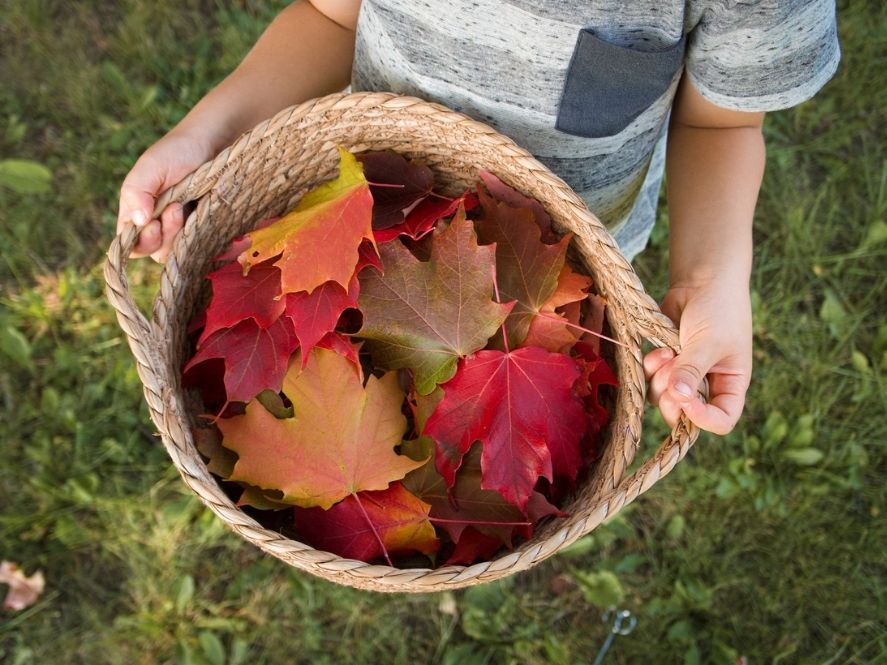
For many families, the onset of autumn signals the start of a new season of holidays, celebrations, and traditions. This could mean large family gatherings, outdoor events, sports, or even travel plans. As fun as these activities can be, they can also bring some feelings of stress or be overwhelming for adults and children alike. We have a few ideas of ways to continue your fall celebrations in ways that are comfortable and flexible for your family.
Choose Outings with Options
There are a lot of options for fun outings throughout the autumn season. This also gives parents a great deal of control and various opportunities to choose what works best for the youngest members of the group.
A great place example of this is visiting a local apple orchard or cider mill. Many businesses have a wide range of activity options that allow you and your child to choose what is most enjoyable:
- Keep it simple! Walk through the apple trees and collect fruit to take home. Do an apple tasting to see which color your child likes best.
- Add a fun challenge! Encourage your child to find their way through a corn maze. This is a great way to develop problem-solving and communication skills as you work together to find your way to the end of the route.
- Visit the animals! There is often a petting zoo area. Talk about the types of animals you see. Keep it going at home by reading a bedtime story about animals too!
Plan Ahead
Children thrive on familiar routines and schedules. Some may benefit from knowing extra information about your outing so they can anticipate each step of the day. Help them learn what comes next by communicating each layer. Keep it flexible and open-ended but help them visualize the unique plan.
These mindful conversations help children prepare for unique, out-of-routine commitments, upcoming events, and celebrations. Talking about it ahead of time promotes understanding.
- Use visuals! Show younger children places you may be visiting. Ask them to talk about things they see in the pictures or things they are excited to experience.
- Talk about expectations! Prepare children by talking about what to expect when you are headed to your destination. Whether it’s an unfamiliar place or a relative’s house, giving children some things to expect can ease the transition.
- Provide choices! If your plans include options, provide the choices ahead of time to allow children to process their options and choose which thing sounds most engaging to them.
Participate in Activities at Home
Seasonal celebrations don’t always have to involve a different destination! You and your child can engage in autumn-themed activities at home. Consider making a favorite cozy recipe or going on a nature walk. These are simple, but impactful ways to incorporate seasonal traditions in a more comfortable setting.
Pumpkin Decorating: A Sensory-Friendly Alternative
Pumpkin decorating is another favorite fall tradition that can easily be adapted for sensory preferences. Instead of traditional pumpkin carving, which involves slippery textures and the potential discomfort of handling pumpkin guts, consider painting, using stickers, or attaching craft materials like googly eyes and pipe cleaners. These alternatives can be much more enjoyable for children who are sensitive to messy or strong-smelling activities. Providing tools like paint brushes or foam dabbers can also offer more control over the sensory experience.
Reading Autumn-Themed Books to Build Seasonal Awareness
Reading autumn-themed books is an excellent way to build seasonal awareness while supporting language development. Books with predictable text, engaging visuals, or sensory elements (like touch-and-feel books) can be particularly effective for kids with autism. After reading, children can draw their favorite part of the story or act out scenes with toys. This helps with comprehension and imaginative play.
Pumpkin Decorating: A Sensory-Friendly Alternative
Pumpkin decorating is another favorite fall tradition that can easily be adapted for sensory preferences. Instead of traditional pumpkin carving, which involves slippery textures and the potential discomfort of handling pumpkin guts, consider painting, using stickers, or attaching craft materials like googly eyes and pipe cleaners. These alternatives can be much more enjoyable for children who are sensitive to messy or strong-smelling activities. Providing tools like paint brushes or foam dabbers can also offer more control over the sensory experience.
Reading Autumn-Themed Books to Build Seasonal Awareness
Reading autumn-themed books is an excellent way to build seasonal awareness while supporting language development. Books with predictable text, engaging visuals, or sensory elements (like touch-and-feel books) can be particularly effective for kids with autism. After reading, children can draw their favorite part of the story or act out scenes with toys. This helps with comprehension and imaginative play.
Leaf Pile Exploration
Create a large pile of fallen leaves in your yard or a safe outdoor area. Encourage children to:
- Jump into the pile
- Listen to the crunching sounds
- Feel the textures of different leaves
- Toss leaves in the air and watch them fall
This activity provides proprioceptive input, auditory stimulation, and visual tracking practice, all while enjoying the outdoors.
Autumn has so much to offer children. The key is thoughtful adaptation. By choosing sensory-friendly activities that match a child’s interests and comfort level, families can create positive, inclusive experiences that support learning, communication, and joy. Whether it’s exploring falling leaves, baking pumpkin treats, or cuddling up with a seasonal story, the goal is to help children feel connected to the world around them in a way that is meaningful and manageable. With a little creativity and planning, fall can truly be a season of connection, growth, and sensory delight for every child.