Teaching healthy snack habits early: How to make kids eat healthy…and enjoy it!
Finding healthy snacks for toddlers and preschoolers can be challenging, especially when little ones are picky about what they eat. The right snacks not only keep children energized between meals but also ensure they’re getting the nutrients they need for growth and development.
Healthy snack options can turn mealtime struggles into opportunities to nourish active children and introduce them to new flavors. In this article, we’ll share easy, child-friendly snack ideas, creative preparation tips, and explain why healthy snacks play such an important role in early childhood development.
Healthy Snack Habits and Academic Performance
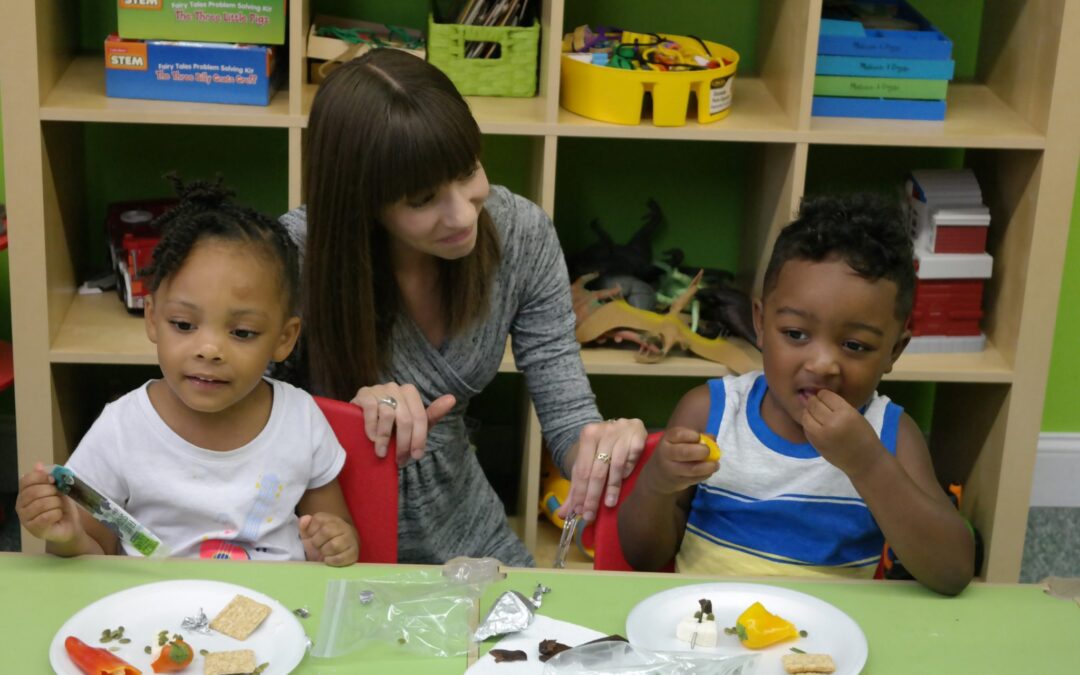
Children attending Rising Stride have a structured regimen and daily routine – These guidelines help provide healthy, nutritious, and tasty snacks for children across all age groups attending the center. There are many benefits to these snack programs:
- Early childhood educational environments are an ideal setting to teach students about healthy eating practices at a young age
- Repeated adherence to those practices, enforced by the daily routines that children practice at the center, inculcate healthy eating behaviors early on
- These behavioral patterns get ingrained into the child’s psyche, making them second nature as kids grow older. The result: A healthy body, and a healthy mind!
- Healthy eating habits, such as having a nutritious breakfast before starting the academic day, improves a child’s cognitive function, including memory and reflexes
- Choosing to eat healthy snacks also helps school-age kids with their personality. It boosts a child’s mood, enhances focus and concentration, and makes them less irritable and more amiable to learning
- Proper hydration also plays a vital role in boosting cognitive function in children and adolescents, which directly leads to better academic performance
At Rising Stride, healthy snacks are a primary focus of the center’s administrators and staff. As a goal, exposing young children to healthy eating habits not only improves their mental and physical health, it also manifests itself in reducing health-related absenteeism. The more regular a child is in their attendance, the better their academic performance in the longer-term.
Why healthy snacks for toddlers and preschoolers matter
Snacks provide children with the energy and nutrients they need to support their growth and development. Children tend to have very active days of physical play and learning, and snack time is essential to keep them full and energized between meals. The additional nutrient-packed snacks also aid in healthy brain and bone development.
Choosing healthy snacks such as fruits, veggies, or lean proteins and avoiding highly processed foods, promotes healthy eating habits from a young age and sets children up for a healthy lifestyle. While mealtime will provide children with the majority of their daily nutritional intake, snack time can be an opportunity to increase exposure to nutrient-rich foods.
Snack time can also be a way to introduce children to new foods. Since snack portions are often smaller than meals, incorporating a new flavor or texture at snack time can keep things interesting and expose children to new foods that can be integrated into lunch and dinner.
Understanding What “healthy” Means
When you see gym-bag totting, trim and fit adults on the streets or malls, and in office buildings, sipping a protein shake, perhaps it conveys a wrong idea about what “healthy” food is. The good news is, that healthy foods go beyond veggie shakes and green leafy salads. That’s why, kids attending Rising Stride have a much broader variety of foods on the menu – all of them healthy choices!
8 Healthy preschool snack ideas
Involving preschoolers in preparing their snacks can improve their relationship with healthy eating. Here are some fun snack activities for preschoolers.
1. Apple slices and peanut butter
Peanut butter is high in protein and pairs well with many snacks. To prepare these snacks, slice an apple and serve with peanut butter. Allow children to dip the apple slices in the peanut butter. You can also swap apples with pretzel sticks, crackers, or celery.
2. Fruit pizza
Creating fruit pizzas is an excellent snack time group activity. Get a variety of fruit toppings, such as strawberries, banana slices, orange slices, and raspberries, and allow children to choose how they spread their toppings. You can have all children name their favorite fruit to customize the activity.
3. Cucumber sandwiches
Cucumber slices are a great alternative to bread. Slice cucumbers and allow your preschooler to fill them with sliced carrots, cheese, cream cheese, or thin deli meat. This is an excellent opportunity for children to experiment with different textures and flavors.
4. Vegetables and dip
Pair easy-to-dip vegetables such as carrots, celery, broccoli, and sliced bell pepper with a variety of dips such as hummus or guacamole.
5. Trail mix
Set out various ingredients for your preschoolers and let them make their own trail mix in a small bowl or bag. Encourage them to mix a little bit of everything together to sample all the different flavors and textures. You can provide ingredients such as:
- Popcorn
- Chocolate chips
- Dried cranberries, apricots, apples, or any other dried fruit
- Mini-pretzels
- Walnuts, cashews, and almonds
- Whole grain cereal
- Raisins
6. Crackers and cheese
Offer slices or cubes of cheese and have your preschoolers pair with whole grain crackers. You can also introduce cheese dip as a different texture.
7. Smoothies
Children can gain great hands-on experience by “helping” make their own smoothies. Allow children to choose their ingredients, add them to a blender, and watch as they get mixed together. Fruits like bananas, strawberries, pineapple, and blueberries make a sweet combo.
8. Yogurt parfait
Children love colorful snacks, so making this yogurt parfait will be a real treat. Pour plain yogurt into a glass for your preschooler and allow them to add in the layers. They can add things like granola, shredded coconut, nuts, or fruit. After they add their flavors, add an extra layer of yogurt on top.