
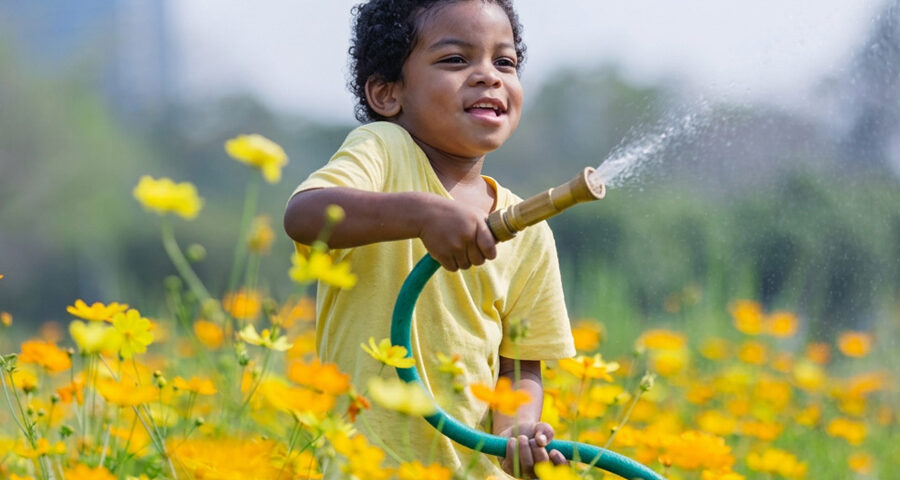
As parents, we are always looking for ways to help our children grow and thrive. One of the simplest yet most effective ways to support their development is through outdoor play. At Rising Stride, we recognize the tremendous value of outdoor play, not just for keeping little ones entertained but for nurturing their physical, social, and emotional well-being. Whether it’s running around in the garden or exploring a local park, outdoor play offers a wide range of benefits that are essential for your child’s physical, emotional, and social development.
In our latest blog, we’ll explore the many reasons why outdoor play is so important for preschoolers and how incorporating outdoor activities into your child’s routine can help them grow into happy, healthy, and confident individuals.
Physical Development
Outdoor play is a fantastic way for children to get the physical exercise they need to stay healthy. In today’s world, where screen time can often replace active play, encouraging your child to spend time outside is more important than ever. Physical activity is vital for developing strong muscles and bones, and it helps improve coordination, balance, and motor skills.
When children run, jump, climb, and explore, they naturally improve their strength and agility. Activities like playing on climbing frames, riding a bike, or chasing friends around the playground all contribute to their physical fitness. This kind of movement not only helps them develop gross motor skills but also refines their fine motor skills, which are necessary for tasks like writing, drawing, and dressing themselves.
Another key benefit of outdoor play is the exposure to natural sunlight, which helps the body produce vitamin D. This vitamin is essential for healthy bone development, and it also supports a strong immune system. With plenty of outdoor play, your child can get the physical exercise they need while reaping the benefits of being in the fresh air.
Boosts Mental Well-being
Outdoor play doesn’t just benefit a child’s physical health – it has a powerful impact on their mental and emotional well-being too. Spending time outdoors, especially in green spaces, has been shown to reduce stress, anxiety, and even symptoms of depression in both children and adults.
For young children, the natural world offers a sense of freedom and calm that is hard to replicate indoors. When children are outside, they are more likely to engage in unstructured play, which is essential for their emotional development. Unlike structured activities, unstructured outdoor play allows children to make their own decisions, solve problems, and create their own games. This helps them build resilience, boost their self-confidence, and develop the ability to manage their own emotions.
Nature also stimulates creativity and imagination. Whether they’re pretending to be explorers in a forest or building a fort out of sticks, children use their surroundings to invent new stories and adventures. This kind of imaginative play is crucial for cognitive development, as it encourages children to think creatively and explore different perspectives.
Encourages Social Skills
Outdoor play provides the perfect environment for children to develop their social skills. In an open, unstructured outdoor space, children naturally interact with one another, whether they’re playing together in groups, taking turns on the swings, or negotiating rules for a game. These interactions are essential for building communication skills, learning about cooperation, and developing empathy.
Group play also gives children the opportunity to learn about teamwork and problem-solving. Whether they’re working together to build a sandcastle or organizing a game of hide-and-seek, children practice how to share, take turns, and resolve conflicts. These are critical life skills that will help them navigate relationships throughout their lives, both at home and in school.
For many children, the freedom of the outdoors provides a space where they can express themselves more openly. This leads to stronger friendships, better emotional intelligence, and a greater understanding of how to work and play alongside others.
Develops a Connection to Nature
In today’s technology-driven world, it’s all too easy for children to spend most of their time indoors, often in front of screens. Outdoor play offers a unique opportunity for children to connect with the natural world.
When children spend time outside, they develop an appreciation for the environment. They become curious about the world around them – asking questions about the trees, the weather, or the insects they come across. This natural curiosity fosters a love for learning and encourages children to be more mindful of the environment as they grow older.
At Rising Stride, we believe in teaching children about the importance of respecting and caring for nature. Whether they’re planting seeds in our garden or exploring local wildlife during nature walks, children are encouraged to interact with and appreciate their surroundings. These early experiences with nature not only promote environmental stewardship but also have a calming effect on young minds.
Encourages Social Skills
Outdoor play provides the perfect environment for children to develop their social skills. In an open, unstructured outdoor space, children naturally interact with one another, whether they’re playing together in groups, taking turns on the swings, or negotiating rules for a game. These interactions are essential for building communication skills, learning about cooperation, and developing empathy.
Group play also gives children the opportunity to learn about teamwork and problem-solving. Whether they’re working together to build a sandcastle or organizing a game of hide-and-seek, children practice how to share, take turns, and resolve conflicts. These are critical life skills that will help them navigate relationships throughout their lives, both at home and in school.
For many children, the freedom of the outdoors provides a space where they can express themselves more openly. This leads to stronger friendships, better emotional intelligence, and a greater understanding of how to work and play alongside others.
Develops a Connection to Nature
In today’s technology-driven world, it’s all too easy for children to spend most of their time indoors, often in front of screens. Outdoor play offers a unique opportunity for children to connect with the natural world.
When children spend time outside, they develop an appreciation for the environment. They become curious about the world around them – asking questions about the trees, the weather, or the insects they come across. This natural curiosity fosters a love for learning and encourages children to be more mindful of the environment as they grow older.
At Rising Stride, we believe in teaching children about the importance of respecting and caring for nature. Whether they’re planting seeds in our garden or exploring local wildlife during nature walks, children are encouraged to interact with and appreciate their surroundings. These early experiences with nature not only promote environmental stewardship but also have a calming effect on young minds.