
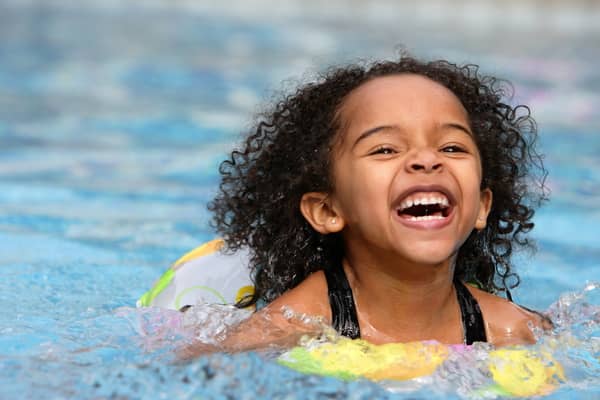
As summer heats up, families flock to pools and beaches for fun in the sun. While water activities provide a great source of entertainment and exercise, they come with inherent risks, especially for preschoolers. At Rising Stride, we prioritize safety as much as fun. Here are essential water safety tips to ensure your little swimmers stay safe while making a splash this summer!
Understand the Risks
Water safety is a critical concern for children, particularly preschoolers, who may not fully grasp the dangers associated with water. Drowning is the primary source of accidental death in children under age four and can happen silently within seconds, making careful monitoring a necessity.
Close and Constant Supervision
Whether it’s a backyard pool or a busy beach, always ensure an adult actively monitors children when in or near water. This means no distractions like phone calls, social media, or conversations. If multiple adults are present, rotate roles as the designated “water watcher,” refraining from any other activities while on duty.
Teach Water Safety Early
Education is your first line of defense against water accidents. Teach preschoolers basic water safety rules like never going near water without an adult, not running near pools, and never diving in shallow water. Even if your child can swim, these rules remain essential and can save lives.
Invest in Proper Swim Lessons
Swimming skills can be lifesaving. Enroll your preschooler in accredited swim lessons taught by qualified instructors, but remember that even kids who know how to swim still need constant monitoring in any aquatic environment.
Use Appropriate Flotation Devices
When in or around water, ensure your preschooler wears a Coast Guard-approved life jacket, especially if they aren’t strong swimmers or when at a large body of water like a lake or the ocean. Avoid relying on floaties or water wings, which aren’t designed to prevent drowning.
Establish Pool Safety Measures
If you have a pool at home, ensure it’s secured with appropriate barriers. Install a fence at least four feet high with self-latching gates that children can’t reach. Pool covers and alarms can provide an additional layer of protection.
Learn CPR
Every second counts in a drowning incident. Knowing CPR can make all the difference while waiting for emergency services to arrive. Local community centers and hospitals often offer CPR classes that can teach you the skills needed to respond effectively in a crisis.
Create an Emergency Plan
Ensure the whole family knows what to do in a water emergency. This means knowing how to reach emergency services, having a first aid kit ready, and understanding basic rescue techniques. Regularly review and practice your emergency plan as a family.
As you dive into summer fun, remember that safety is just as important as play.