
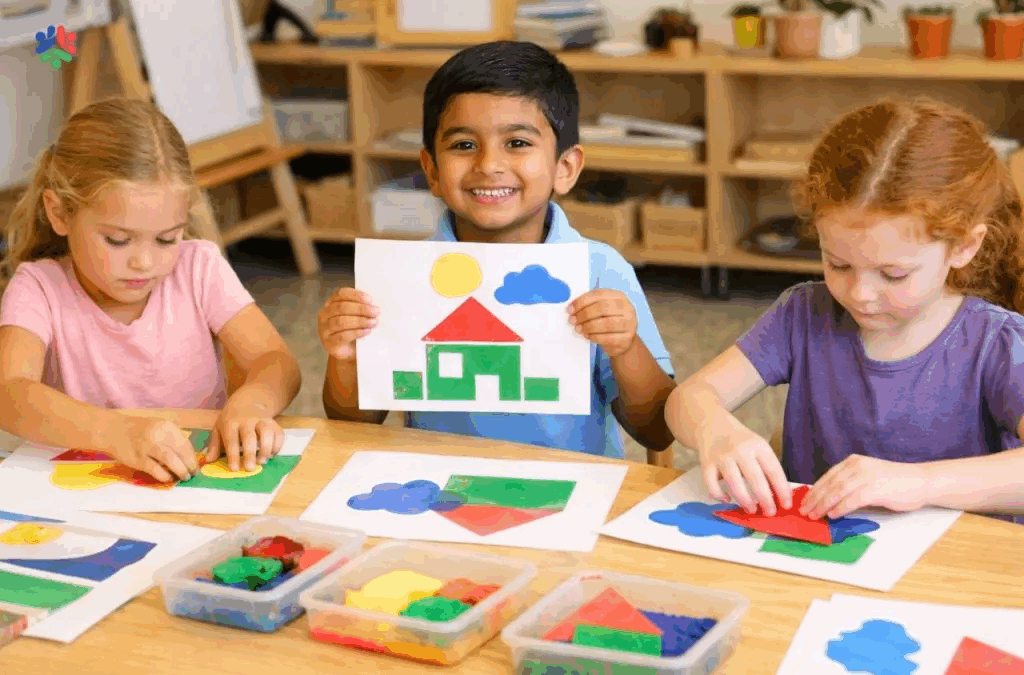
Exploring Shapes in Nature
Springtime is a fantastic season to teach preschoolers about shapes by observing the natural world. Nature is full of wonderful shapes, from the round petals of flowers to the star-like shape of some leaves and the triangles formed by tree branches. Taking your preschooler on a nature walk and pointing out these shapes helps them begin to identify geometric forms in the world around them. For example, you can guide your preschooler to spot circular flower petals, triangular leaves, and rectangular tree trunks. These simple observations turn outdoor activities into an interactive learning experience while enhancing their understanding of shapes.
By engaging with these shapes in nature, you’re also helping your preschooler strengthen their motor skills. Activities like collecting leaves, tracing their shapes on paper, or arranging stones by shape allow them to practice their fine motor skills while learning. These fun, hands-on activities help your little one focus on shapes in the environment, turning every walk into an enriching educational adventure.
Color Exploration in Springtime
Spring offers a wealth of vibrant colors that are perfect for exploring with preschoolers. The season is alive with hues of green, pink, purple, yellow, and more, as flowers bloom and the earth awakens. Taking a walk in the park, a garden, or even your own backyard provides countless opportunities for your preschooler to observe and identify colors. Challenge them to find as many colors as they can, whether it’s the rich purple of lilacs, the sunny yellow of daffodils, or the bright green of freshly sprouting grass. As you explore together, you can discuss the various colors and what makes each one unique.
Additionally, this color exploration can be turned into art activities that reinforce learning. After collecting nature’s colorful treasures, your preschooler can create a color collage, paint pictures inspired by the outdoors, or even sort their collected items by color. These activities help children connect the colors they see in nature to the colors they use in their artwork, reinforcing their learning in a creative and fun way.
Combining Shapes and Colors for Educational Play
Once your preschooler begins to recognize and name various shapes and colors, you can combine these concepts for more advanced learning activities. Create games where your child identifies both shapes and colors simultaneously, such as asking them to find something round and red or triangular and blue. This encourages critical thinking and helps solidify their understanding of both concepts.
Playing with shapes and colors in nature also provides an opportunity to teach your child the importance of cooperation and teamwork. You can make the learning process social by having family members join in to spot shapes and colors, encouraging your preschooler to share their observations and engage in conversation. These types of activities build both cognitive skills and social skills, such as patience, communication, and cooperation.
At Rising Stride, we believe that spring is the ideal time to engage preschoolers in the vibrant world of colors and shapes found in nature. By turning outdoor activities into a colorful adventure, you can teach your child important concepts in a fun, interactive way that encourages both cognitive and emotional development. Let’s make every moment spent outdoors an exciting adventure in shapes, colors, and creativity!