
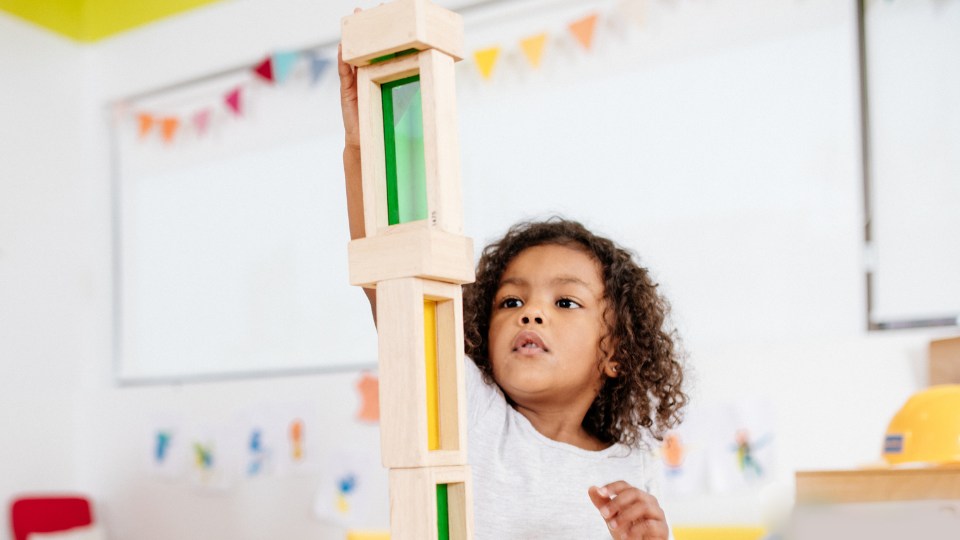
Did you know that movement plays a crucial role in early brain development? From crawling and climbing to dancing and jumping, every physical activity a preschooler engages in helps build stronger neural connections, cognitive skills, and emotional development. At Rising Stride, we incorporate active learning experiences to support children’s physical, mental, and social growth in a fun and engaging way.
Why Movement is Essential for Brain Development
During the early years of childhood, the brain forms billions of new connections. Physical activity stimulates this process by:
✅ Enhancing cognitive function – Movement increases blood flow and oxygen to the brain, improving memory, concentration, and learning ability.
✅ Strengthening motor skills – Running, jumping, and climbing develop gross motor skills, while activities like coloring or playing with small objects build fine motor skills.
✅ Boosting emotional regulation – Active play helps children release energy and stress, improving their ability to manage emotions and focus in a classroom setting.
✅ Encouraging problem-solving – Activities that involve balance, coordination, and reaction time help children strengthen decision-making and problem-solving skills.
How Movement Supports Key Areas of Development
Physical activity isn’t just about fitness—it directly affects different aspects of a child’s growth:
Cognitive Development – Movement-based learning (such as hopping to letter mats or dancing to songs) improves memory, spatial awareness, and early literacy skills.
Language Skills – Activities like singing action songs, clapping rhythms, and role-playing help preschoolers develop speech and communication skills.
Social Skills – Playing games that require turn-taking, teamwork, and cooperation help children build friendships and confidence.
Focus & Attention – Movement-based brain breaks allow children to reset and refocus, improving concentration and classroom engagement.
Fun Ways to Boost Brain Development Through Movement
At Rising Stride Preschool, we integrate movement into learning through engaging activities that support physical and cognitive development:
- Obstacle Courses – Helps with coordination, problem-solving, and body awareness.
- Action Songs & Dancing – Improves listening skills, rhythm, and language development.
- Movement-Based Math & Literacy Games – Hopscotch with numbers or jumping to letter tiles strengthens early learning skills.
- Balancing & Coordination Activities – Walking on a line or balancing on one foot enhances focus and body control.
- Imaginative Play & Role-Playing – Engages the brain by encouraging creativity and storytelling.
How Parents Can Encourage Movement at Home
Movement-based learning doesn’t have to stop at school! Here are simple ways to support your child’s brain development through movement at home:
- Encourage outdoor play 🌳 – Running, climbing, and jumping provide natural opportunities for learning.
- Play active games indoors 🏡 – Set up a mini obstacle course, do a dance party, or try animal walks.
- Incorporate movement into learning 📖 – Have your child trace letters in the air, jump for every correct answer, or act out storybook characters.
- Try yoga or stretching together 🧘 – Helps with balance, coordination, and calming the mind.
By incorporating movement into daily learning, young children develop stronger brains, sharper focus, and better problem-solving skills—all while having fun! At Rising Stride, we ensure that every child benefits from active play and movement-based learning, setting the stage for a lifetime of success.
Discover how movement-based activities enhance brain development, boost cognitive skills, and improve focus in young children through active learning and play.