
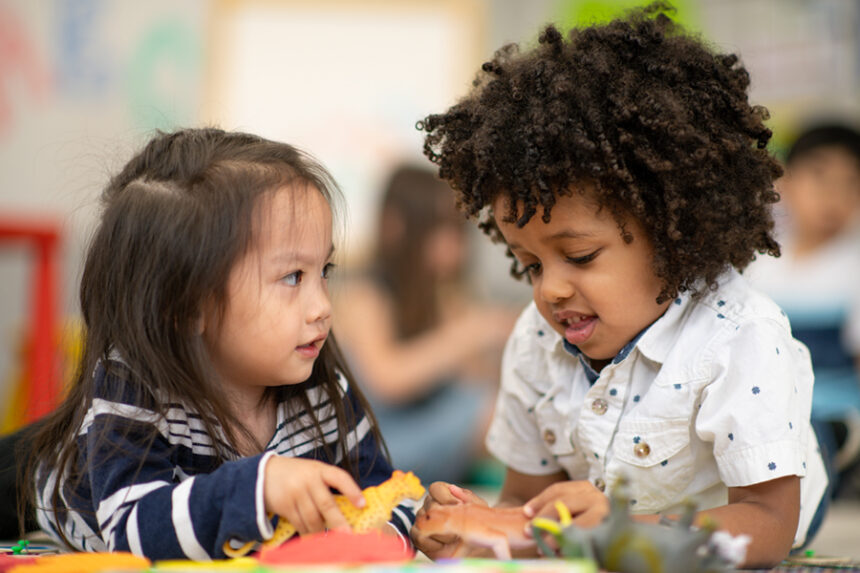
Friendship is often seen as an important part of childhood, but in the earliest years of life, children do not form friendships in the same way older children or adults do. From birth to around the age of three, the adult—particularly a trained and qualified caregiver—plays the most crucial role in a child’s development. In fact, at this early stage, it is not friendships with other children that are most important, but rather the secure, responsive relationship a child forms with the adults around them.
From the moment they are born, babies begin learning about the world through their senses and through the responses of adults. They rely heavily on cuddles, eye contact, facial expressions, and soothing voices to feel safe and understood. These interactions form the foundation of emotional security and are essential for developing trust. At this stage, a child’s brain is rapidly developing, and it is the nurturing relationship with adults that supports this growth.
In the Early Years Foundation Stage (EYFS), there are three Prime Areas of Learning that are especially important for children under the age of three:
- Personal, Social, and Emotional Development (PSED),
- Communication and Language (CL) and
- Physical Development (PD)
Each of these areas is deeply supported through the adult-child relationship. Trained practitioners understand how to engage children in meaningful ways that foster these core skills. They model language, respond to babbles and first words, support motor development through play and movement, and offer emotional reassurance through cuddles and consistency.
It is common for people to assume that socializing with other children is essential even at a very young age. However, young children under three are not developmentally ready to form real friendships. They may show interest in being near other children or may play alongside them—this is known as parallel play—but they do not yet have the social understanding to cooperate, share, or communicate in ways that form lasting peer relationships. Their social and emotional needs are still largely met by adults, who help them learn how to manage feelings, express themselves, and begin to understand others.
As children grow closer to the age of three and beyond, their ability to engage in more complex social interactions gradually increases. They begin to develop the early stages of friendship, such as showing preference for certain playmates, engaging in simple games, or expressing empathy. Even then, the adult’s role remains vital in guiding behavior, supporting communication, and helping children navigate the challenges of early peer relationships.
In summary, while friendships become more important as children grow, the earliest years are grounded in the secure attachments they form with adults. These relationships are the key to supporting a child’s holistic development. Qualified early years professionals are specially trained to meet these needs, ensuring that children build the strong emotional and developmental foundations they need before friendships can truly begin to take shape.
Below are 5 key things you can do to build the same capacity for your child by nurturing and supporting their friendships.
Encourage Social Interaction
Create opportunities for your child to socialize with others. This can involve playdates, joining clubs or sports teams, or participating in group activities. Encouraging your child to interact with peers helps them build social skills and form connections.
Teach Empathy and Communication
Teach your child how to understand and express their emotions effectively. Encourage them to listen to their friends and understand their feelings. This helps them develop empathy and good communication skills, which are essential for maintaining healthy relationships.
Model Positive Relationships
Children learn by observing their parents. Model positive relationships by treating others with respect and kindness. Show them how to resolve conflicts calmly and respectfully, which sets an example for their own friendships.
Provide a Safe and Supportive Environment
Create a safe and welcoming home environment where your child feels comfortable sharing their experiences and feelings. Be an active and empathetic listener when your child talks about their friends or any challenges they face in their relationships.
Foster Independence
Encourage your child to make their own friends and choices when it comes to friendships. While guidance is essential, granting them the autonomy to choose their friends and manage their social interactions helps build self-confidence and decision-making skills.
Additionally, staying involved and informed about your child’s social life, staying open to discussions about their friendships, and offering guidance when needed are important ways to support their friendships. By taking these actions, parents can play a significant role in helping their children develop and maintain positive and fulfilling friendships.