In today’s educational landscape, the importance of a physically active lifestyle right from the early years is increasingly recognized. This is especially evident at Rising Stride Preschool, where a unique emphasis is placed on physical activity to promote the healthy development of its students. One of the core philosophies that guide the curriculum here is “Learning to Move, Moving to Learn.” But what exactly does movement-based learning entail, and how does it benefit preschoolers? This blog aims to delve into the myriad benefits associated with movement-based learning for our young learners.
Understanding Movement-Based Learning:
Movement-based learning is a pedagogical approach that incorporates physical activity into the learning process. It’s not just about physical education classes but making movement an integral part of the academic curriculum. There is a well-known understanding that movement helps stimulate brain growth. In the classroom while teaching new songs and chants that involve movement. Students are likely to quickly pick up words and phrases when paired with hand motion or body movement. Physical activity has an amazing impact on how students learn. Movements during the learning process help memory, retention, and overall student learning. When the correlation between movement and learning has been studied, consistent results show how impactful the smallest movement can help students with focus and understanding.
Examples of movement-based learning
Including movement in your classroom doesn’t require a lot of planning or extra effort from the teacher. The simplest first step is to schedule brain breaks that allow students to wiggle, dance, tap their feet, or take a stretch.
Other examples of movement-based learning include:
- pairing movements with sight words
- allowing students to draw their answers
- acting through scenes from stories as they are read
- measuring large spaces using their legs, arms, and feet
- allowing students to stand while working independently
- replacing colors and letters with actions and movement to create patterns
Benefits of Movement-Based Learning:
Cognitive Development:
– Enhanced Brain Function and Academic Performance: Movement stimulates brain function and enhances memory, concentration, and academic performance.
– Fostering Creativity and Problem-Solving Skills: Movement-based activities encourage creative thinking and problem-solving skills, making learning a more engaging and enjoyable experience.
Physical Development:
– Promoting Muscle Strength, Coordination, and Motor Skills: Regular physical activity is crucial for the development of fine and gross motor skills, muscle strength, and coordination.
Social-Emotional Development:
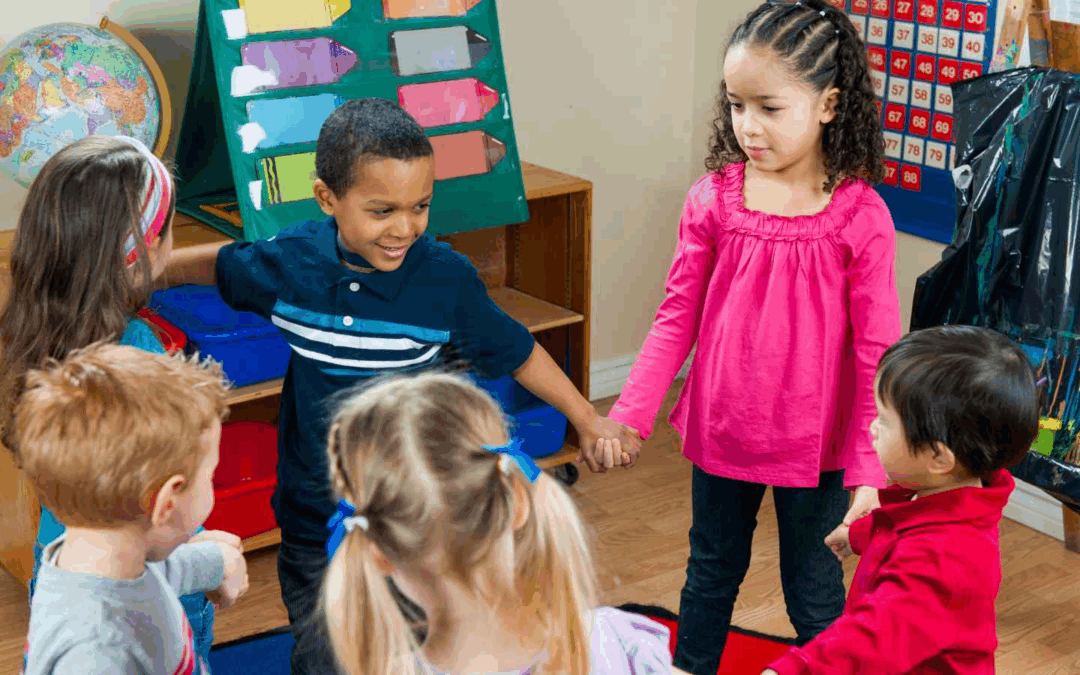
– Encouraging Social Interaction and Teamwork: Movement-based activities provide natural opportunities for social interaction, cooperation, and teamwork.
– Developing Self-Esteem and Confidence: Achieving physical milestones boosts self-esteem and confidence in preschoolers.
Incorporating Movement into the Curriculum:
At Rising Stride, the “Learning to Move, Moving to Learn” philosophy is not just a tagline but a practical approach ingrained in the curriculum. The preschool environment is designed to provide ample opportunities for movement, be it through dance, games, or outdoor play, making learning a joyful and active experience.
Role of Educators and Parents:
Preschool educators and parents share a partnership focused on fostering a child’s holistic development—academic, social, and emotional. Educators provide safe, structured learning environments and skilled instruction, while parents provide home-based learning, reinforcement, and emotional support. This collaboration creates a consistent environment that improves school readiness, social skills, and academic performance.
- Creating a Supportive Environment: Providing safe, nurturing environments that support growth.
- Fostering Development: Using specialized knowledge to guide children in social-emotional skills like sharing and empathy.
- Facilitating Learning: Acting as an instructor and guide who fosters a child’s love for learning and independence.
- Building Partnerships: Establishing open, respectful communication with parents through meetings, reports, and digital platforms to discuss child progress.
- Being the First Teacher: Actively engaging in early education through play, reading, and exploration, laying the foundation for future academic success.
- Extending Learning at Home: Reinforcing classroom lessons and fostering curiosity through daily activities and reducing screen time.
- Providing Context: Sharing unique insights about their child’s interests, strengths, and weaknesses with educators to support personalized education.
- Being Involved and Consistent: Maintaining regular communication with teachers and participating in school activities
Evaluating the Impact:
Assessment mechanisms are in place to evaluate the positive impact of movement-based learning on the children’s cognitive, physical, and social-emotional development. Success stories and testimonials from Rising Stride Preschool are a testament to the effectiveness of this approach.
Future of Movement-Based Learning:
With ongoing research and evolving educational practices, the horizon of movement-based learning is expanding. It’s an exciting journey that promises a holistic developmental experience for preschoolers.
The manifold benefits of movement-based learning underscore the importance of a physically active early childhood education. At Rising Stride, the joy of movement is seamlessly blended with the joy of learning, nurturing well-rounded, confident, and happy learners. Parents and educators alike are encouraged to advocate for movement-based learning as a staple in preschool education, laying a strong foundation for a lifetime of active learning and healthy living.